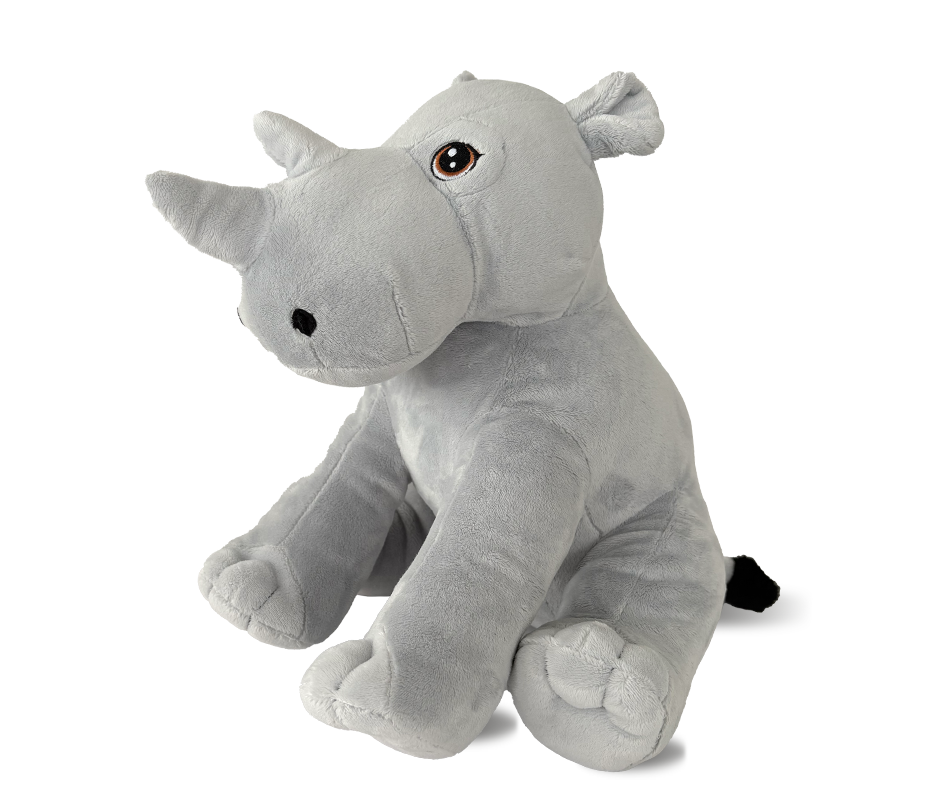
Kifaru represents strength with compassion. Inspired by one of nature’s most iconic animals, this gentle rhino reminds us that protecting the planet starts with caring choices — and small actions can make a big impact.
Thoughtfully crafted from recycled materials, Kifaru stands for conservation, resilience, and a future where wildlife thrives. Calm, steady, and loyal, he’s the kind of friend who encourages curiosity, empathy, and respect for the natural world.
Take Kirafu home and help inspire the next generation of planet protectors one cuddle at a time.
Origin
Rhinoceroses are native to Africa (e.g., South Africa, Namibia, Kenya) and Asia (e.g., India, Nepal, Indonesia). They inhabit grasslands, savannas, wetlands, and tropical forests, depending on the species.
Risk Level
High. Most rhinoceros species face severe threats from poaching (for their horns) and habitat loss, making them among the most endangered large mammals on Earth.
Species
There are 5 existing species of rhinoceros worldwide:
• 2 African species (White Rhino, Black Rhino)
• 3 Asian species (Indian, Javan, and Sumatran Rhinos)
Each species has unique adaptations and conservation challenges.
Status
Rhinoceroses range from Vulnerable to Critically Endangered.
Some populations, like the White Rhino, show signs of recovery thanks to conservation efforts, while others, such as the Javan and Sumatran Rhinos, remain critically endangered with very small populations..
Why is ‘Kifaru’ important to the eco-system?
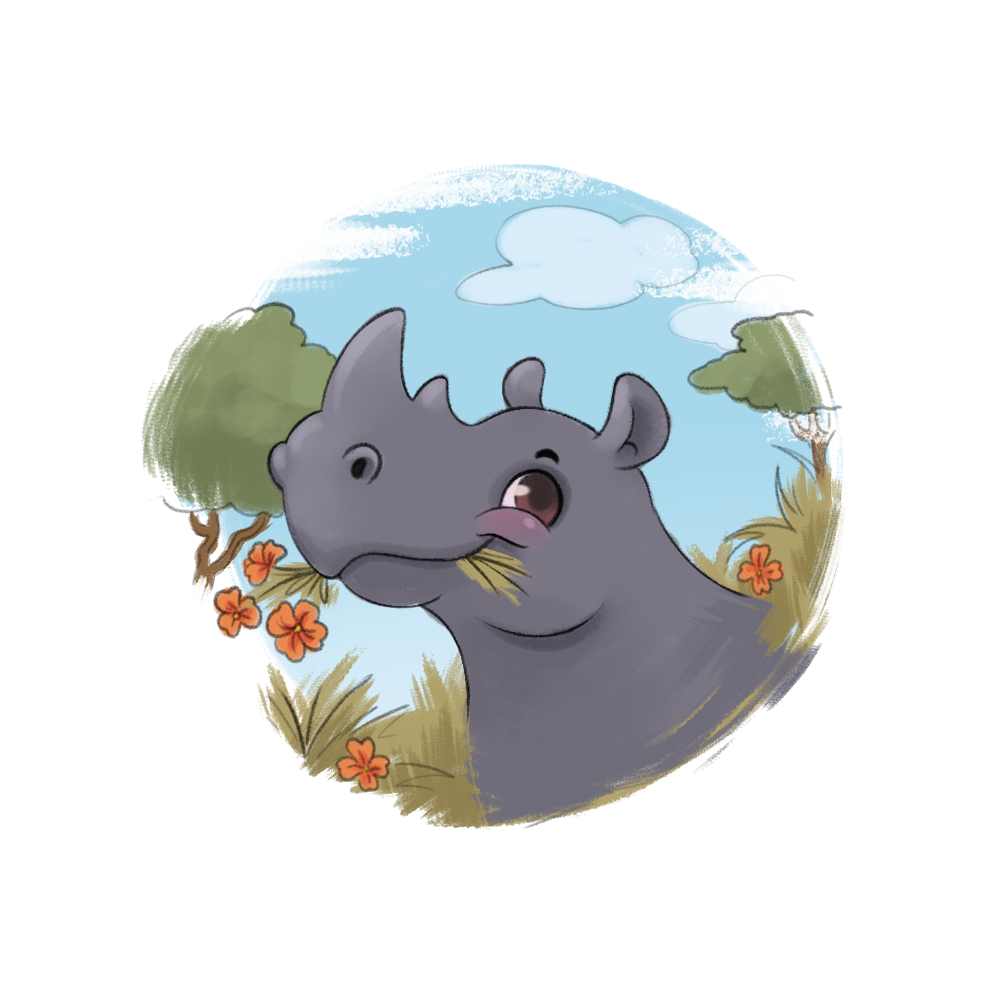
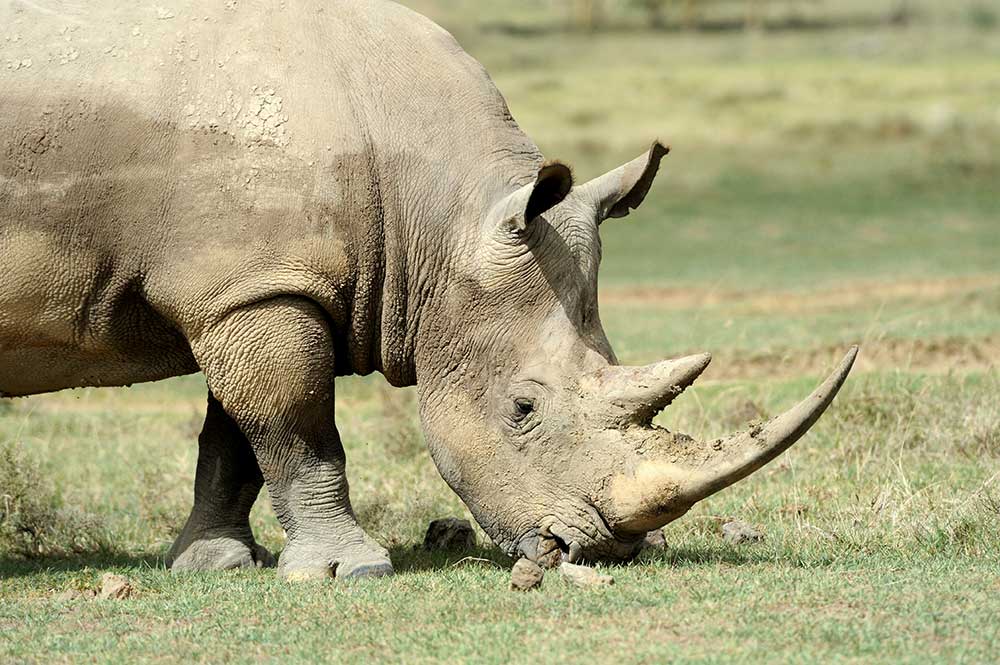
Kifaru the rhinoceros plays a powerful role in keeping ecosystems healthy and balanced. Rhinos like Kifaru are known as nature’s landscapers! By grazing on grasses and shrubs, they help prevent plants from growing too thick, which allows sunlight to reach the ground and gives smaller plants space to grow.
As Kifaru moves through the land, he creates natural pathways that other animals use to travel and find food and water. These paths also help rainwater soak into the soil, improving the health of the land and supporting plant life.
Rhinos also spread seeds through their dung, helping new plants grow across wide areas. This supports insects, birds, and many other animals that depend on diverse vegetation to survive. Because of all these important jobs, scientists often call rhinos “ecosystem engineers.” Without rhinos like Kifaru, grasslands and savannas could lose their balance and many animals would feel the impact.
Measuring the Risk of Extinction
A species is considered critically endangered if it has lost 80% or more of its geographic range, and has a greater than 50% chance of extinction over the next 10–100 years.
According to the IUCN Red List, the Critically Endangered status applies to the Javan Rhinoceros (Rhinoceros sondaicus), one of the rarest large mammals on Earth. This shy, forest-dwelling species faces an extremely high risk of extinction due to habitat loss, human encroachment, and historic poaching. With fewer than 80 individuals estimated to remain in the wild, urgent conservation efforts are essential to protect this species and the fragile ecosystems it supports.
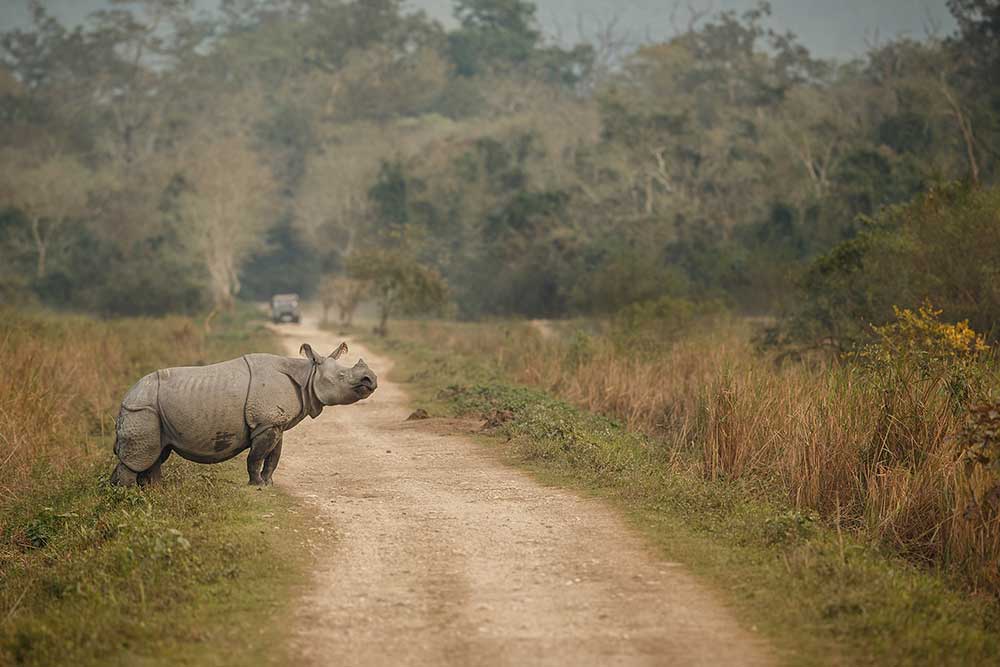
A species is considered endangered if it has lost more than half of its geographic range, and has a greater than 20% chance of extinction over the next 10–100 years.
According to the IUCN Red List, several rhinoceros species are classified as Endangered, including the Black Rhinoceros. Their populations have declined due to poaching, habitat loss, and human–wildlife conflict. While conservation efforts are helping numbers slowly recover, rhinos still need strong protection to survive.
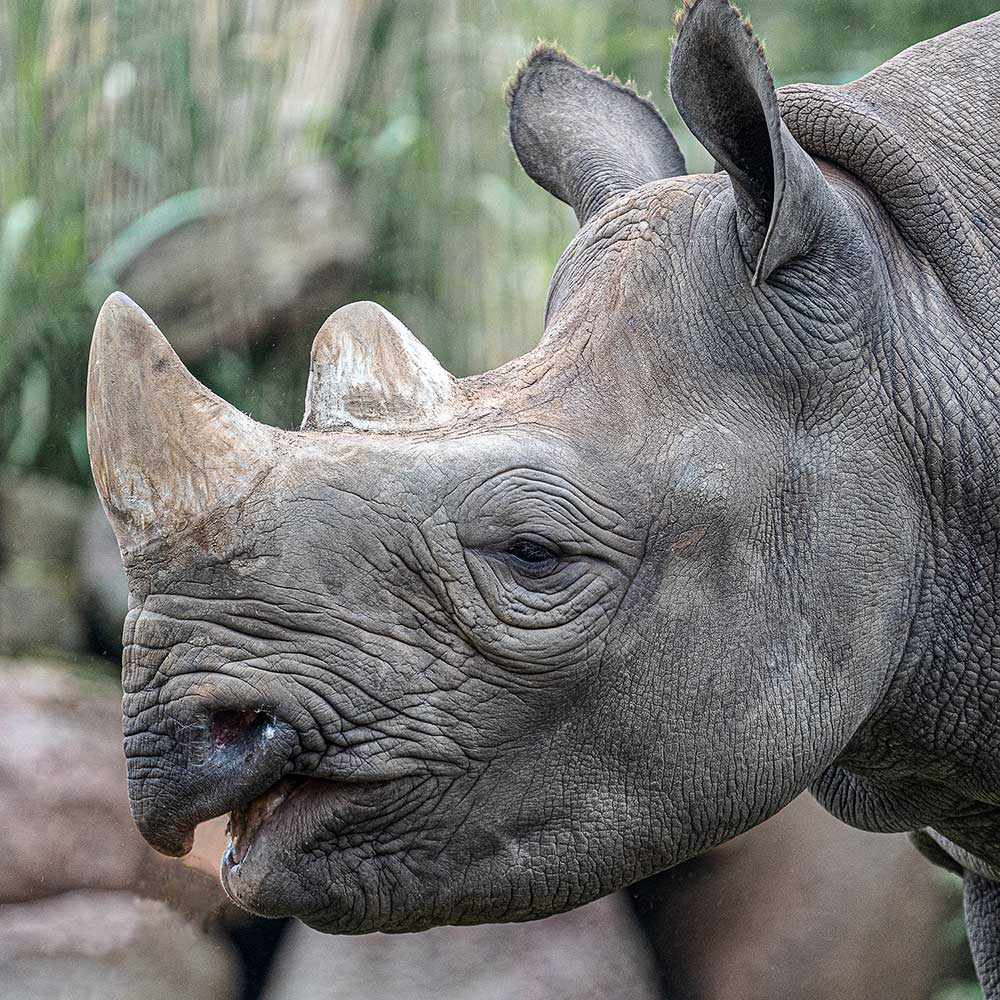
A species is considered vulnerable if there is a greater than 10% chance that it goes extinct in the wild within 100 years.
According to the IUCN Red List, some rhinoceros species are listed as Vulnerable, meaning they face a high risk of extinction in the wild. Habitat loss and human activity continue to threaten their populations, and without ongoing conservation efforts, these species could become endangered.
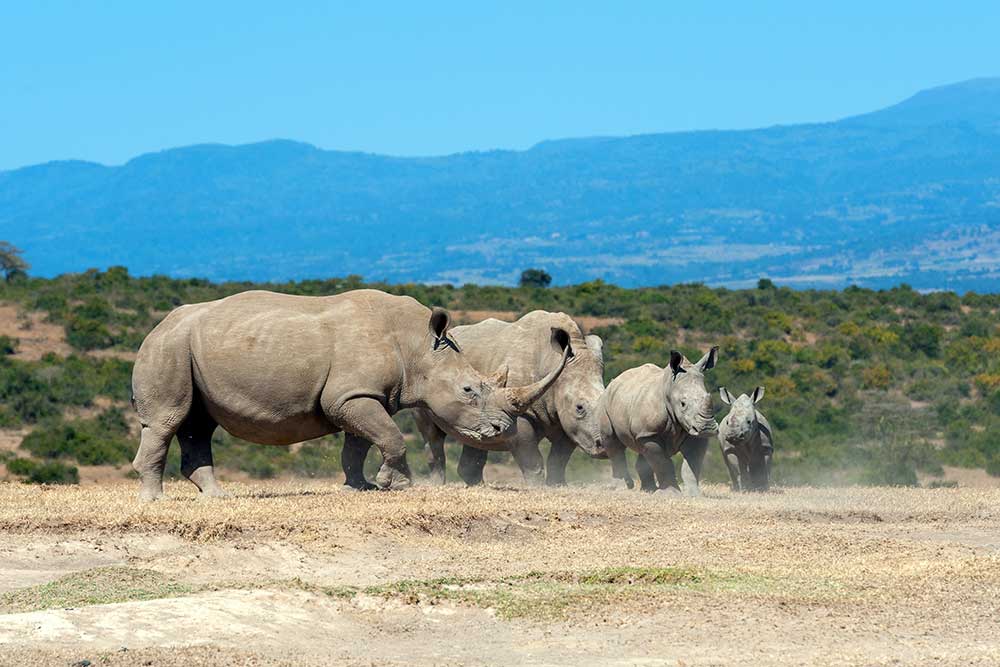
A species is close to meeting the definition of endangered, vulnerable, or critically endangered based on recent trends.
According to the IUCN Red List, some rhinoceros species are classified as Near Threatened. While not currently endangered, their populations are under increasing pressure from habitat loss, poaching, and human activity. Without continued monitoring and conservation, these species could become threatened in the near future.
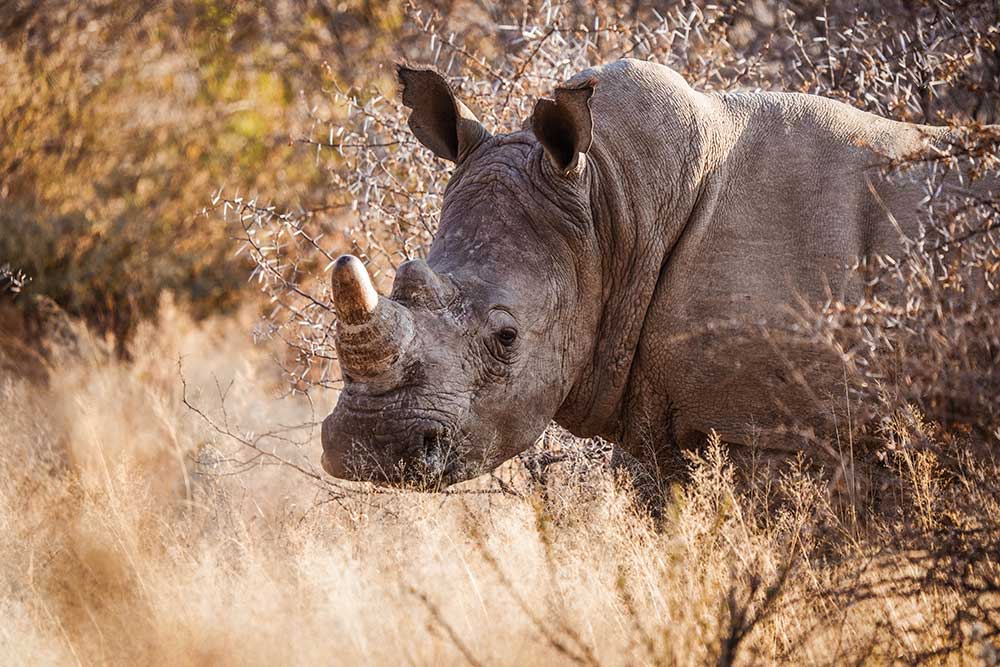
A species is widespread, abundant, and not threatened with extinction.
According to the IUCN Red List, no rhinoceros species are currently classified as Least Concern. All rhino species face ongoing threats from poaching, habitat loss, or human activity. This highlights the importance of continued conservation efforts to protect rhinos and their natural habitats.
Measuring the Risk of Extinction
A species is considered critically endangered if it has lost 80% or more of its geographic range, and has a greater than 50% chance of extinction over the next 10–100 years.
According to the IUCN Red List, the Critically Endangered status applies to the Pygmy Hippopotamus (Choeropsis liberiensis). This elusive and forest-dwelling species faces an extremely high risk of extinction in the wild due to habitat loss, deforestation, and hunting. With fewer than 2,500 mature individuals estimated to remain, urgent conservation efforts are needed to protect this rare and vulnerable relative of the common hippo.
A species is considered endangered if it has lost more than half of its geographic range, and has a greater than 20% chance of extinction over the next 10–100 years.
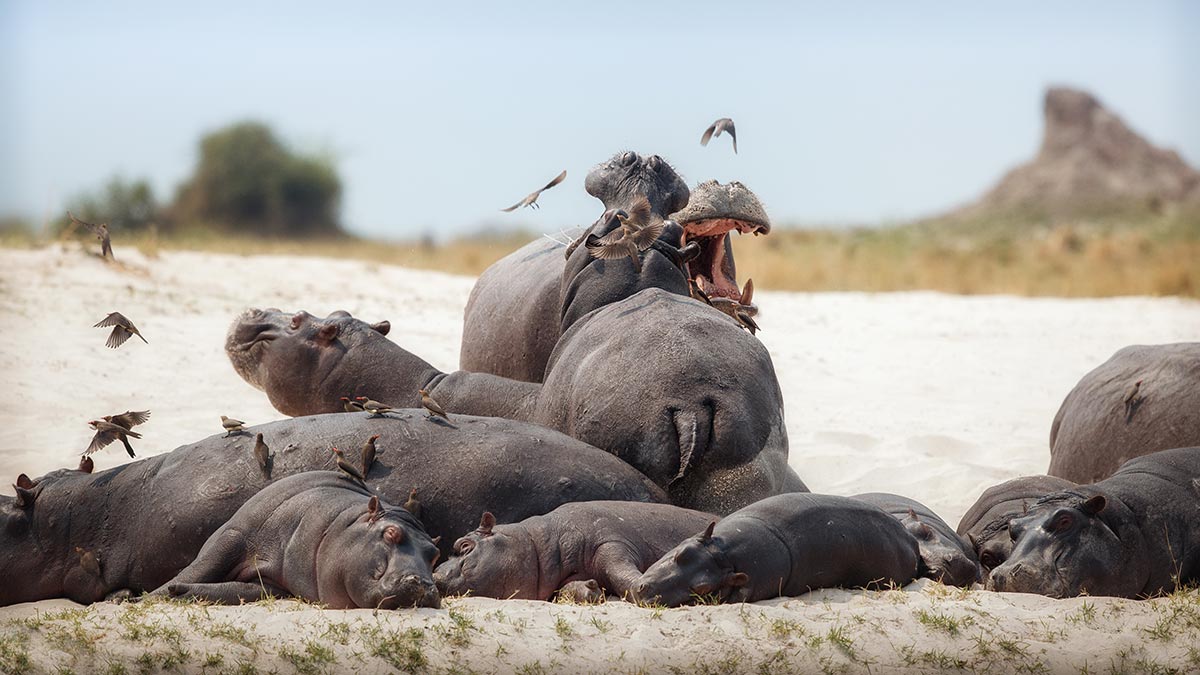
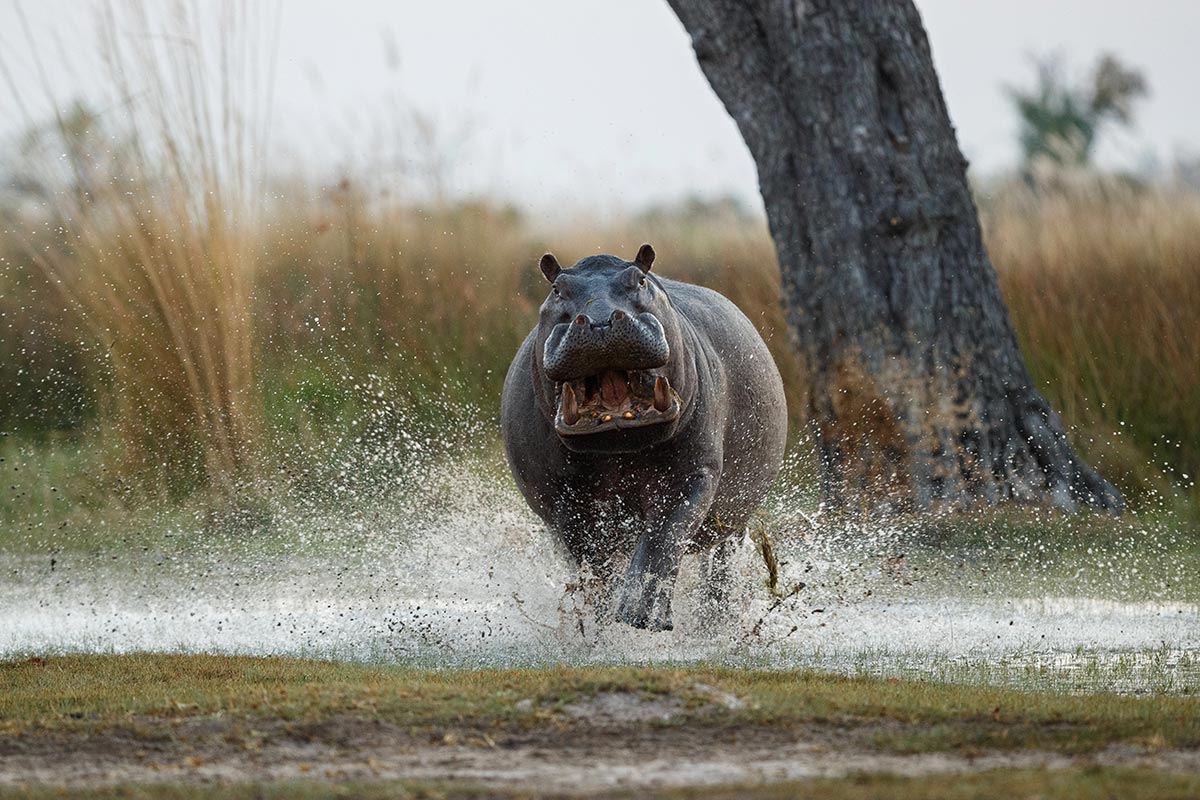
According to the IUCN Red List, the Common Hippopotamus (Hippopotamus amphibius) is classified as Endangered. Although still found across parts of sub-Saharan Africa, their populations are declining due to habitat loss, illegal hunting for meat and ivory (from their teeth), and increasing human-wildlife conflict. It’s estimated that only 115,000 to 130,000 individuals remain in the wild, making conservation efforts vital to ensure their survival.
A species is considered vulnerable if there is a greater than 10% chance that it goes extinct in the wild within 100 years.
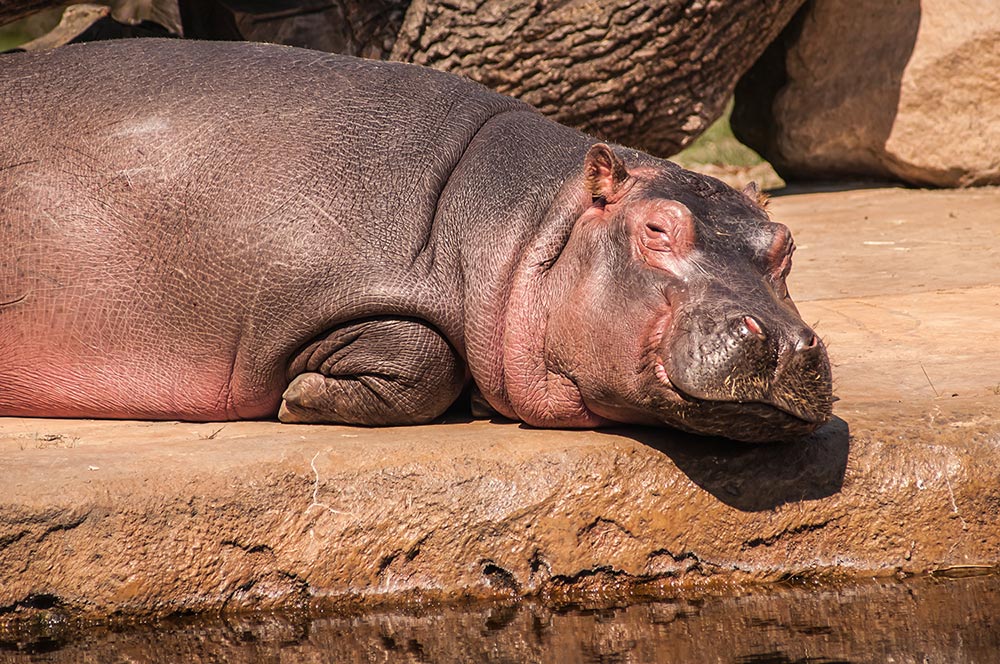
According to the IUCN Red List, hippos are currently listed as Vulnerable, meaning they face a high risk of extinction in the wild. While populations of the Common Hippopotamus (Hippopotamus amphibius) are still relatively widespread, they are decreasing due to poaching for ivory and meat and loss of freshwater habitats. Without stronger protection and sustainable conservation measures, their numbers could decline further, pushing them closer to endangerment
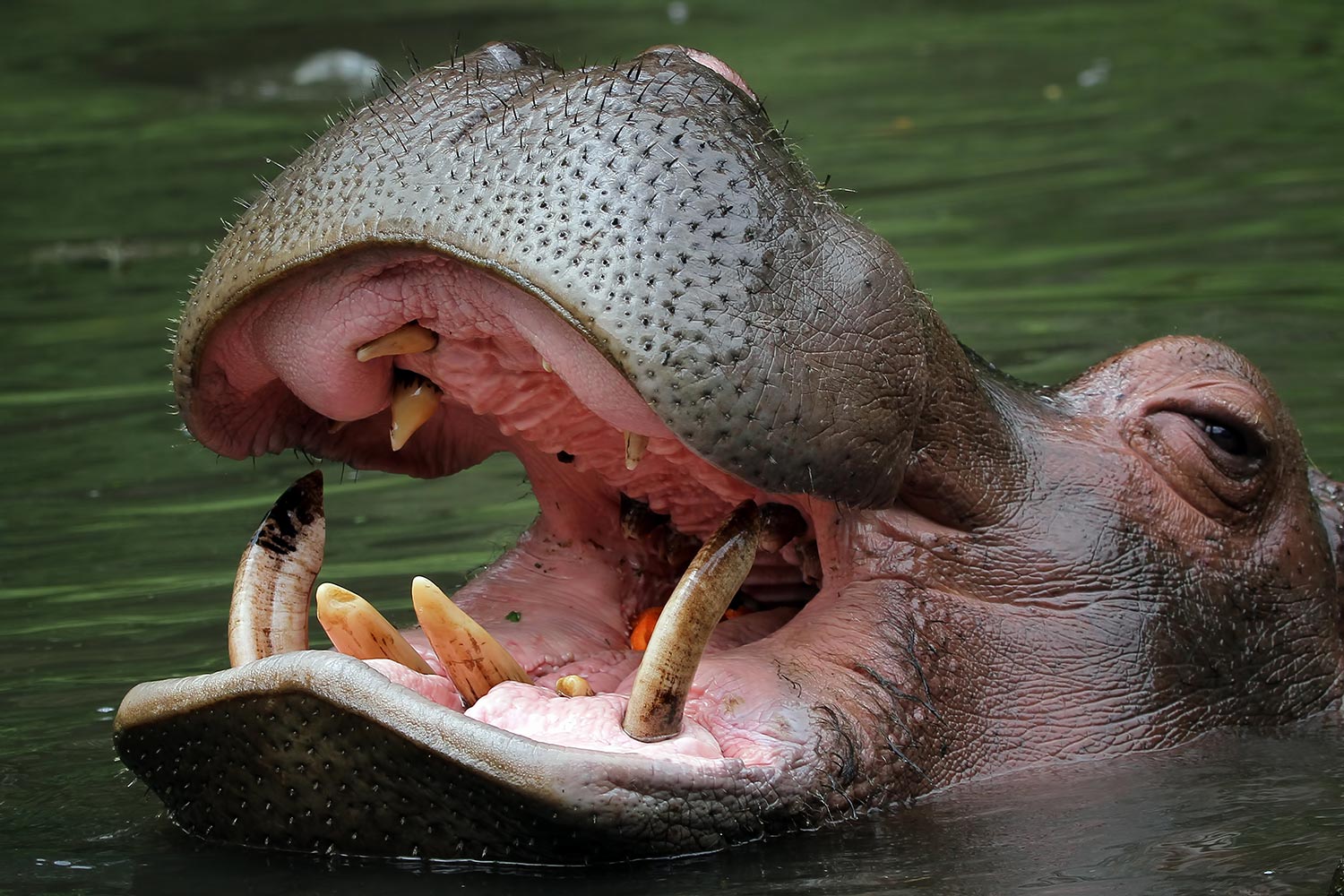
According to the IUCN Red List, hippos classified as Near Threatened are not currently endangered but are close to qualifying for a threatened category in the near future. This means their populations are facing pressures such as habitat degradation, water scarcity, and poaching, which could lead to rapid declines if not addressed. Continued monitoring and proactive conservation are essential to prevent further risk.
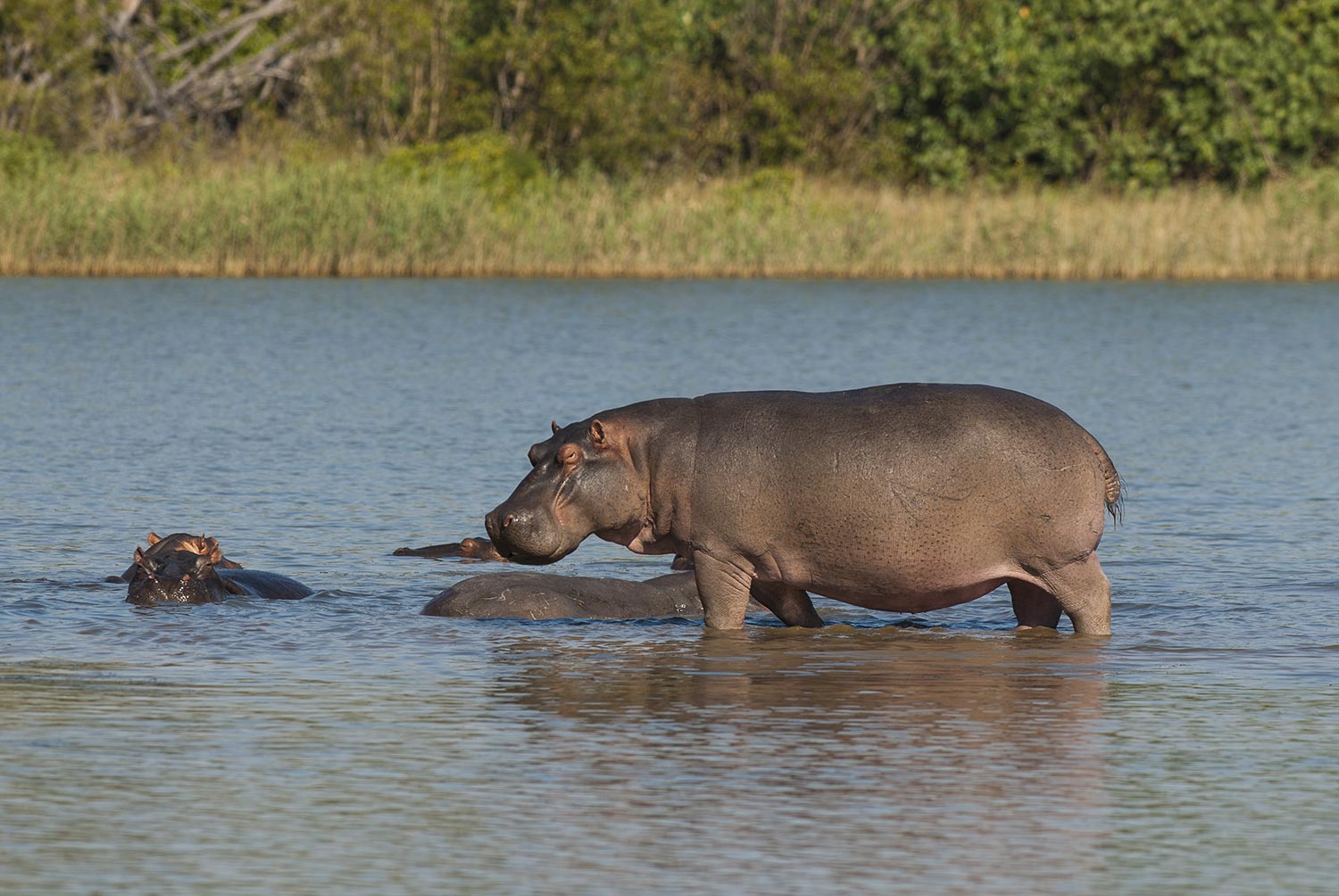
According to the IUCN Red List, no hippo species is currently classified as Least Concern. Both the Common Hippopotamus and the Pygmy Hippopotamus face significant threats and are listed as Endangered and Critically Endangered, respectively. This highlights the urgent need for conservation efforts to protect all hippo species and their habitats.
100% Recycled: Head to Toe!
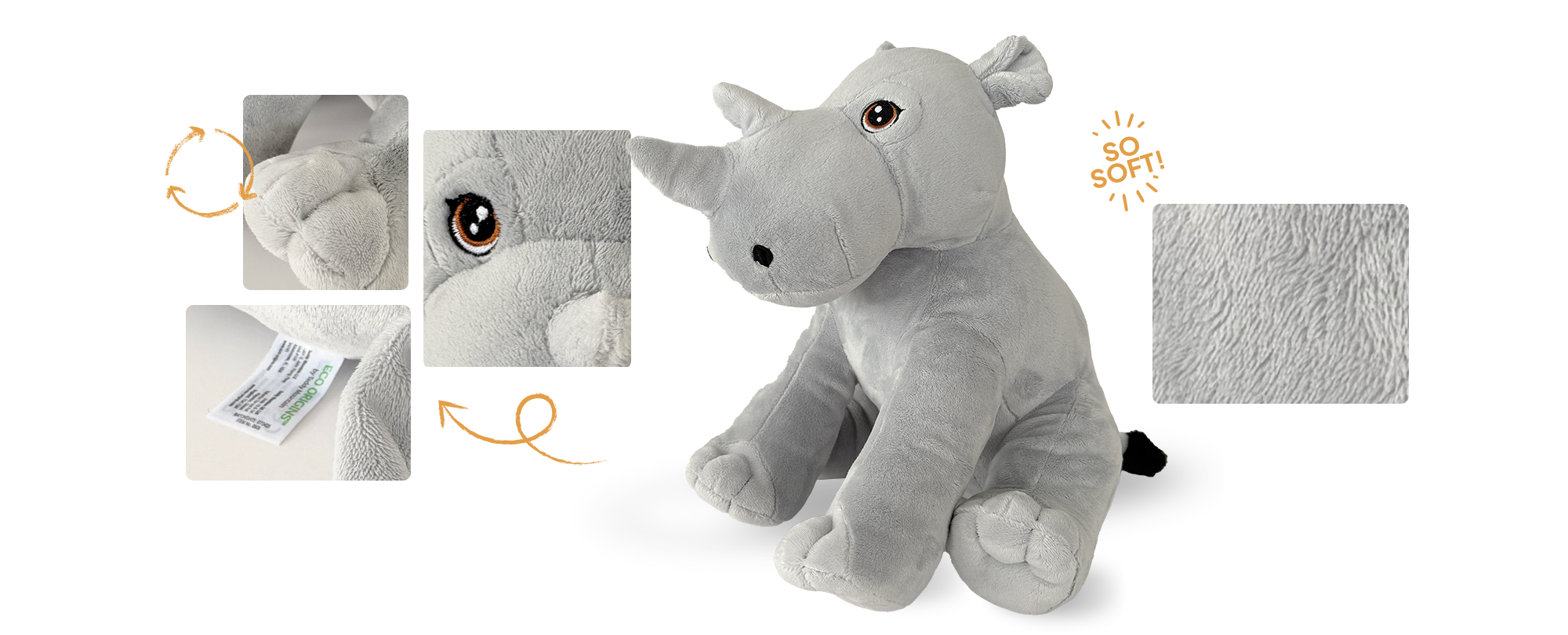
1
The fabric
We scour the best recycled material fabrics so that our plush always feels premium and soft to the touch!
2
Hang Tag
The Hangtag is made of recycled paper and attached with a Recycled Polyamide attacher.
3
Embroidery
Even our threads are recycled! They are extensively used in creation of adorable eyes!
4
Fiber Fill
What’s inside? Well it’s recycled, super soft, hypo-allergenic fiber!
Call of the Wild: Learning Den
Let’s get inspired to reconnect with nature! Discover cool facts about amazing animals, their families, and why they’re so important for keeping our planet wild and beautiful. It’s time to learn, explore, and take action to protect the incredible creatures that share our world.
2,500 kg
An adult rhinoceros can weigh up to 2,500 kilograms, making it one of the largest land mammals on Earth and a true symbol of strength in the wild.
55
Despite their massive size, rhinos can run at speeds of up to 55 km/h (34 mph) over short distances, fast enough to outrun most humans.
5
There are only five rhino species left in the world today, and all of them are threatened or endangered due to habitat loss and poaching.
Fun Facts: Nature Nuggets!
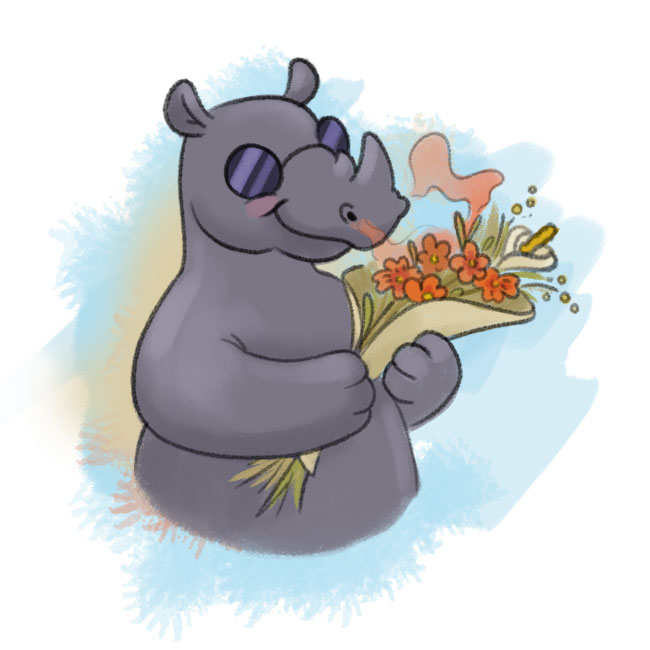
Rhinos have poor eyesight but an excellent sense of smell and hearing.
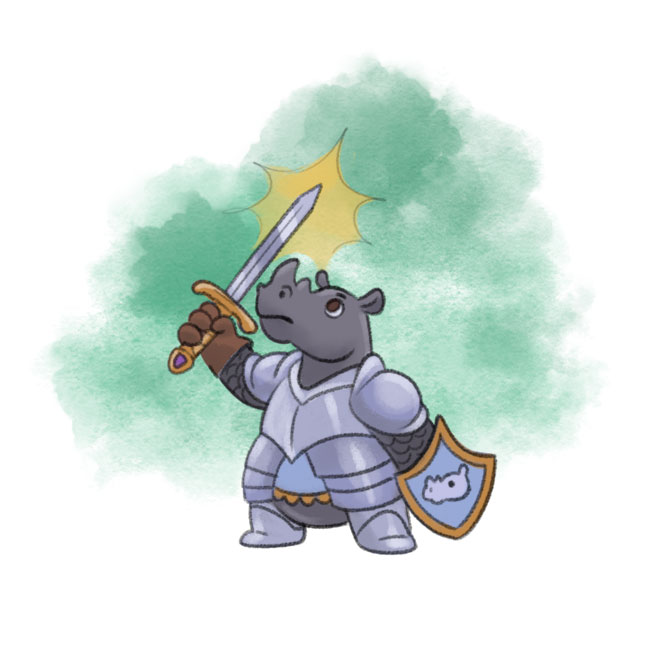
They have thick skin, like a natural armor, to protect them from thorns and other dangers.
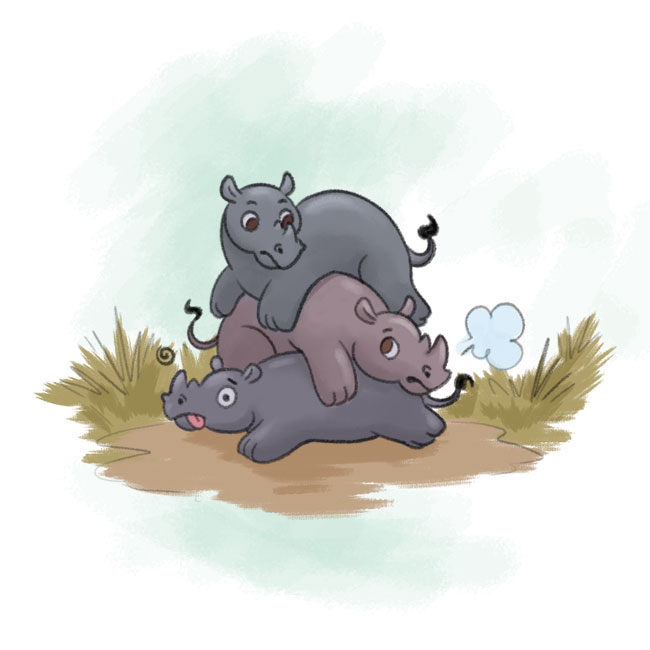
A group of rhinos is called a “crash.”